The Pain Self-Management Program (PSMP) was piloted in 2018/19 with funding from the Western Australian Primary Health Alliance (WAPHA)
Delivered in small-group settings with evidence-based education and activation strategies.
Focused on the biopsychosocial model to address physical, emotional, and social aspects of persistent pain.
Included pre- and post-program assessments validated against the ePPOC national benchmarking dataset to measure clinical outcomes.
Pilot Format
Delivery: Three courses undertaken. each of 6 weeks with twice weekly two-hour group sessions covering pain science, exercise, sleep, nutrition, medication management, psychology, and goal setting.
Unique features: Six supervised movement sessions, domiciliary home medicine review and a printed program manual.
Criteria: Chronic pain > 3 months, no significant co-morbidities, computer access, willingness to engage in group settings.
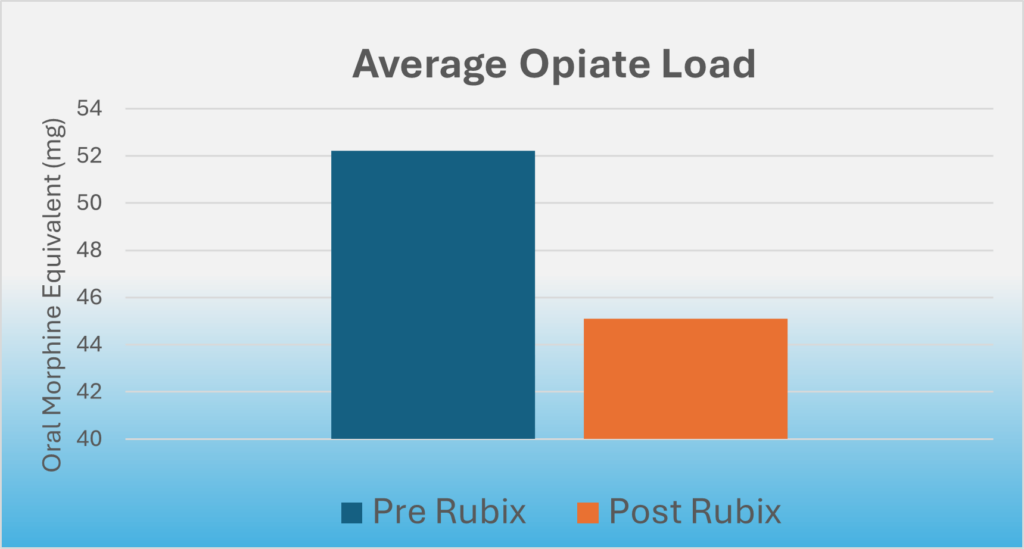
Participants: 32 patients aged 18–80, referred by GPs. Most patients were female (65%), unemployed (74%), with a comorbid mental health disorder (53%). Three-quarters of patients had pain lasting more than five years, an average pain score of 6 out of 10 and using an equivalent of 52mg morphine/day.
Outcomes: Measured upon program completion through direct assessment and online health and feedback questionnaires.
A Comprehensive Dataset at Your Fingertips
DECODER’s data set contains national benchmarking (ePPOC) plus a rich biopsychosocial dataset collected via a suite of validated tools as outlined below:
Reduced Pain and Improved Function
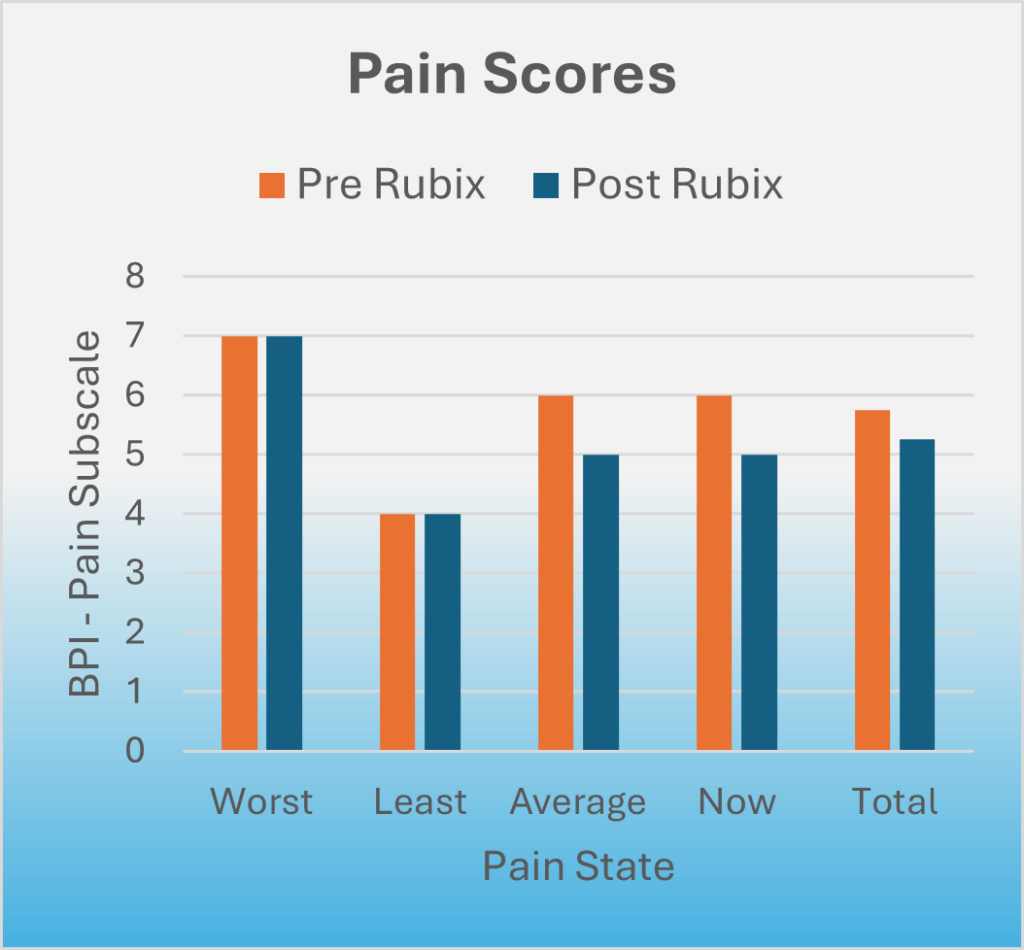
Average pain scores decreased.
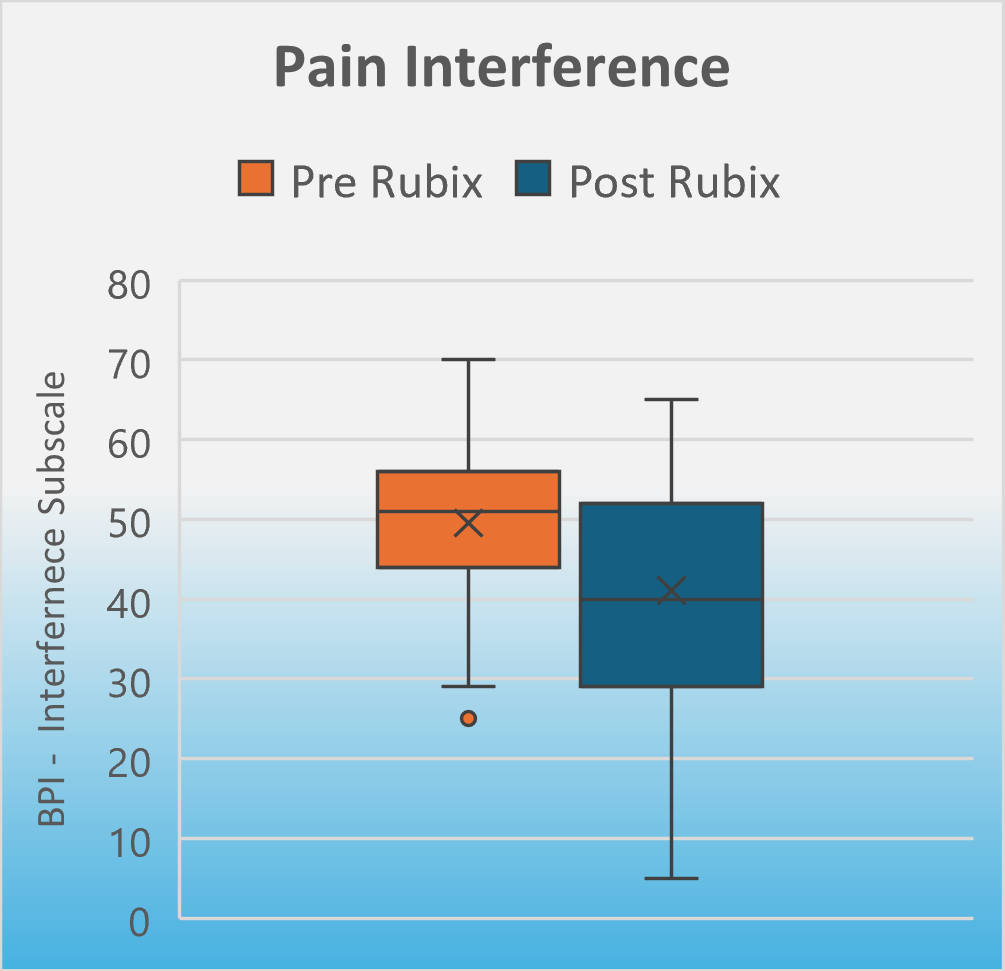
Pain interference was significantly reduced.
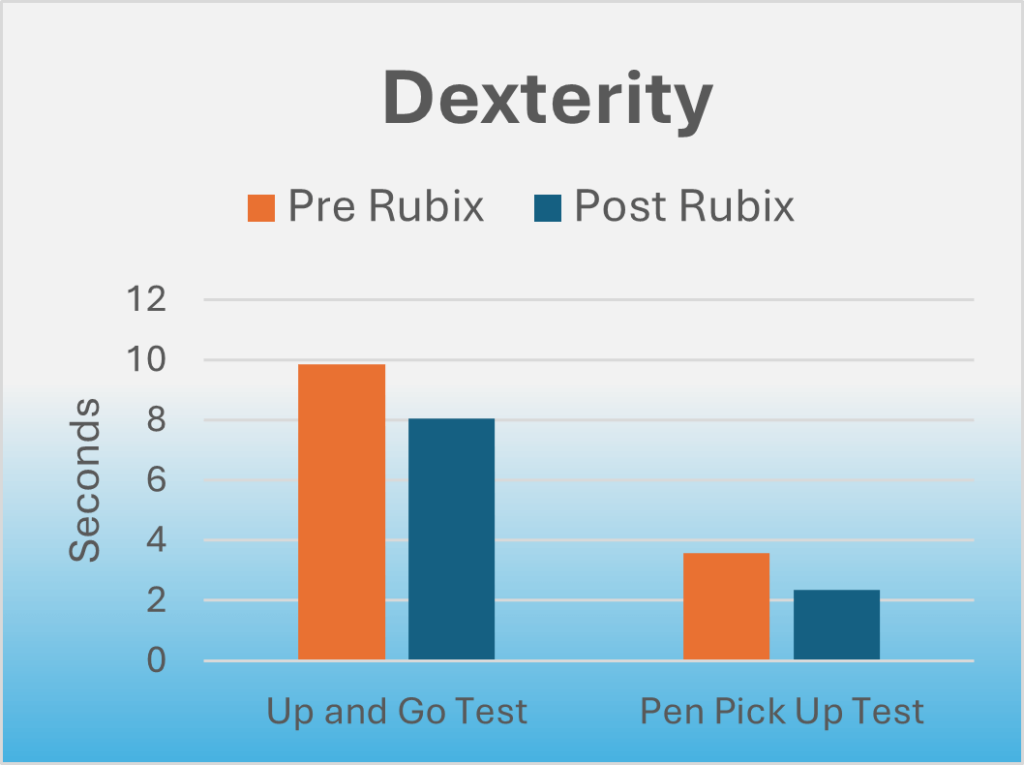
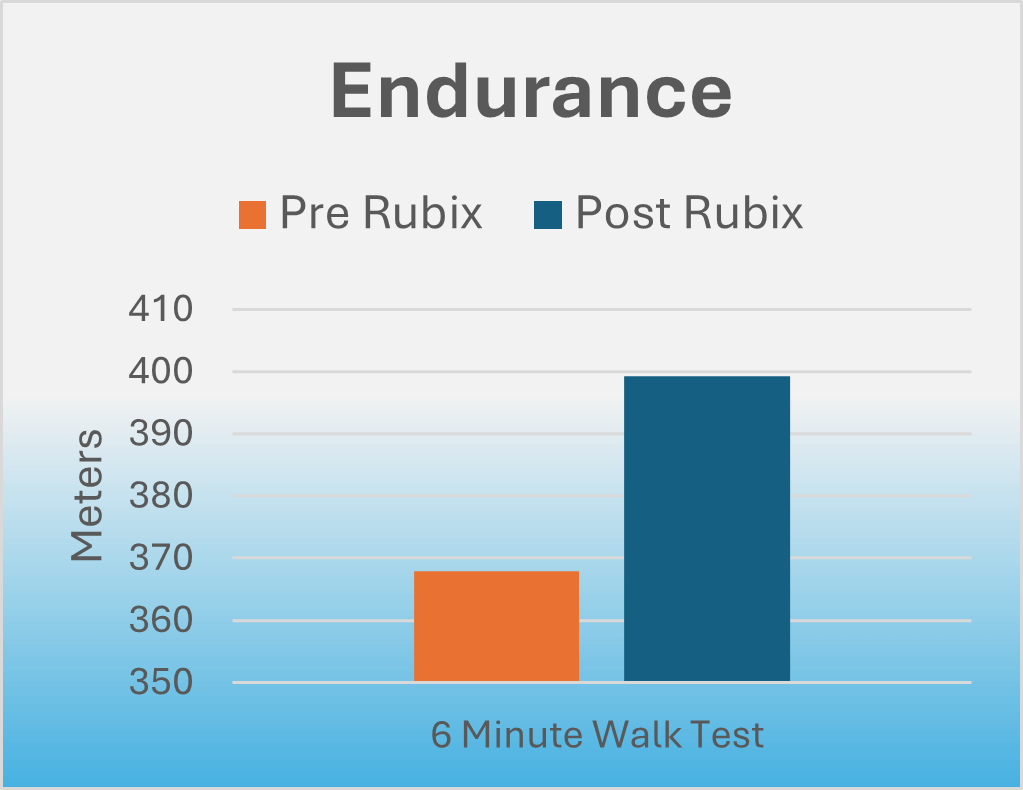
Physical endurance and dexterity improved.
Better Workplace Outcomes
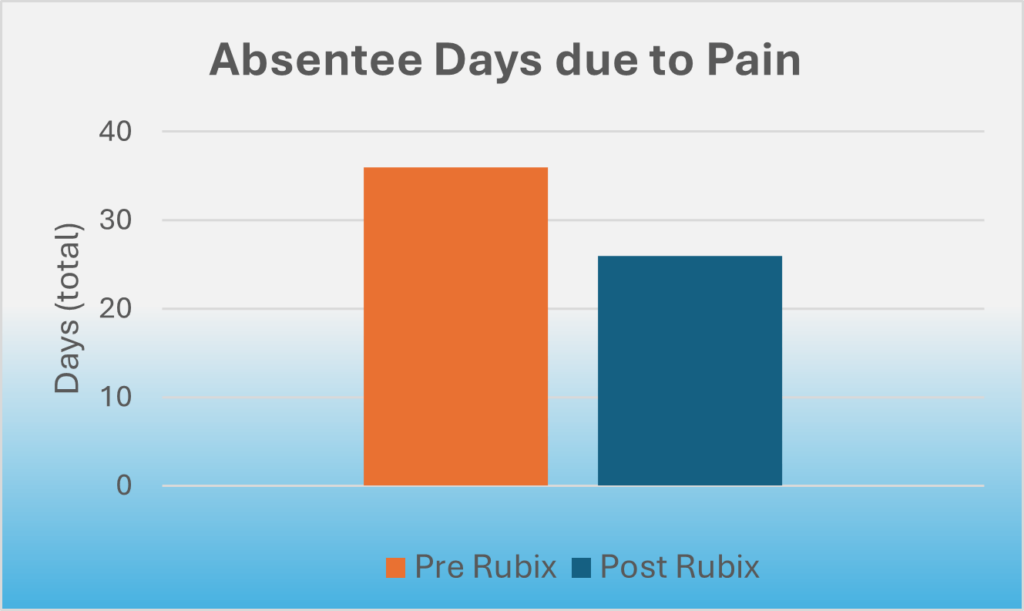
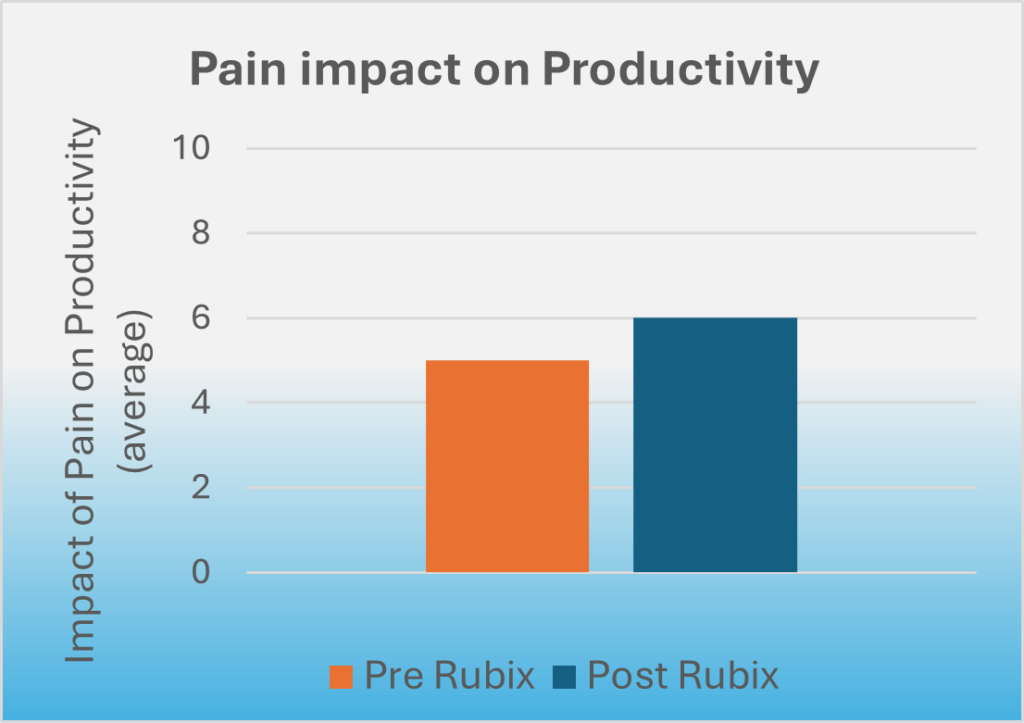
Absentee days due to pain decreased, despite ongoing productivity impacts
Decreased Healthcare Utilisation
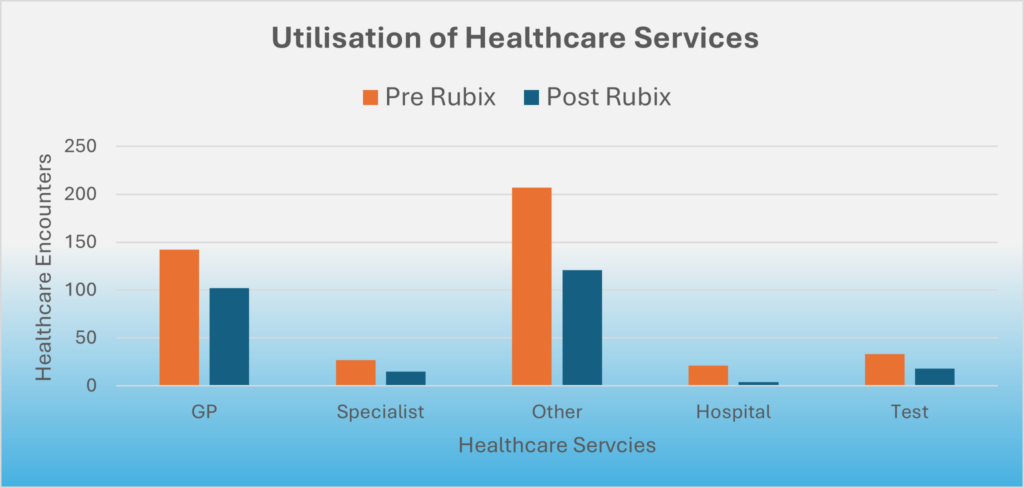
GP and specialist visits were reduced.
Reliance on hospital services and tests was lowered.
Lower Medication Use
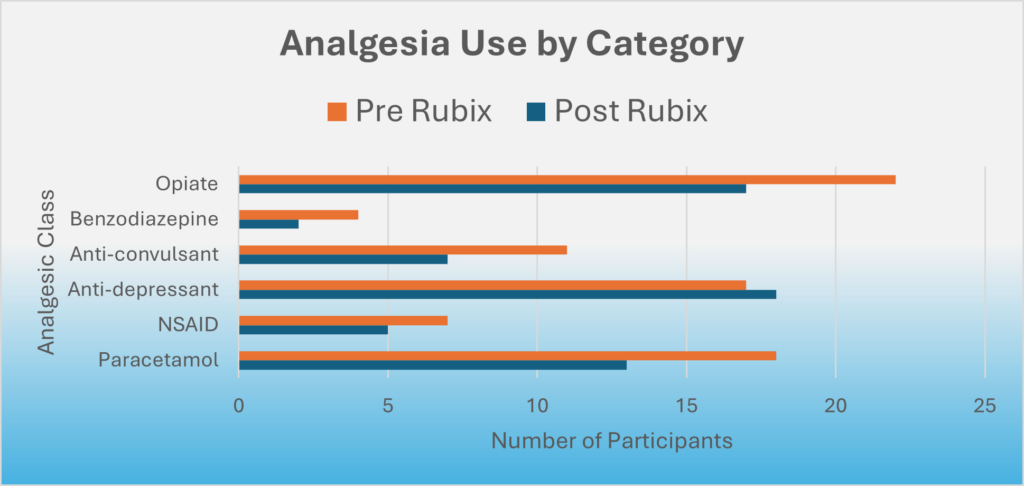
Half of participants on opioids reduced their intake below 30mg, consistent with national prescribing guidelines.
One-fifth of opioid users ceased or reduced intake to 9mg per day or less.
Increased Physical Activity
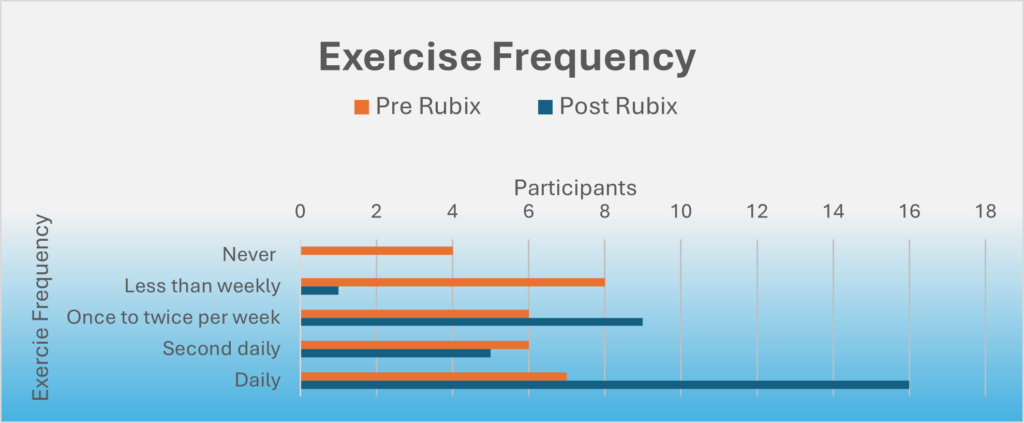
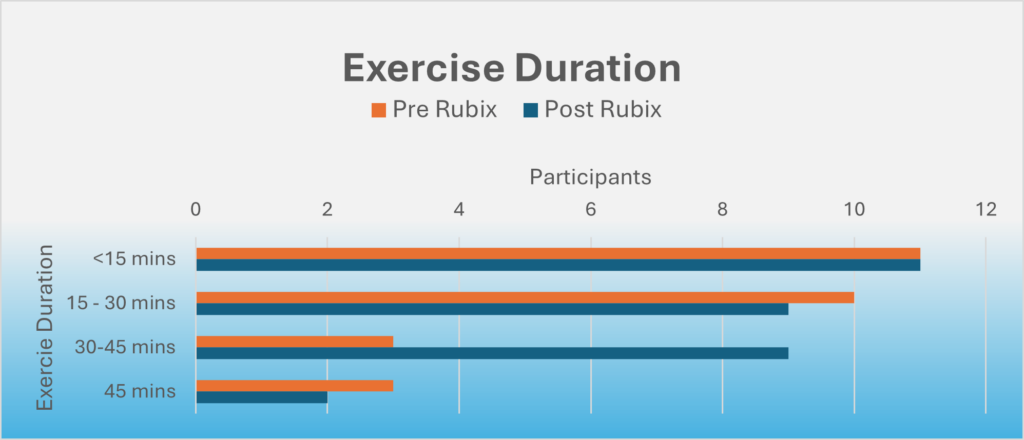
Exercise frequency and duration increased
Improved Nutrition Awareness
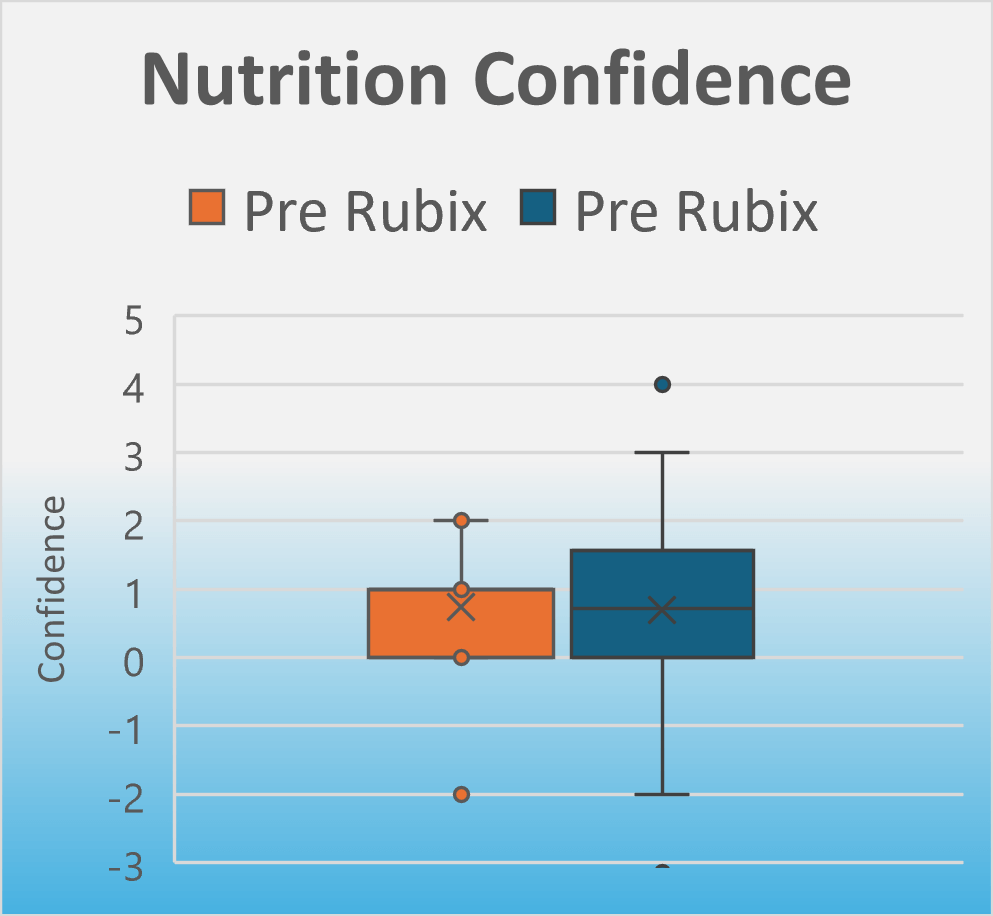
Participants placed greater emphasis on healthy nutrition.
Confidence in applying nutritional principles increased.
Enhanced Psychological Resilience
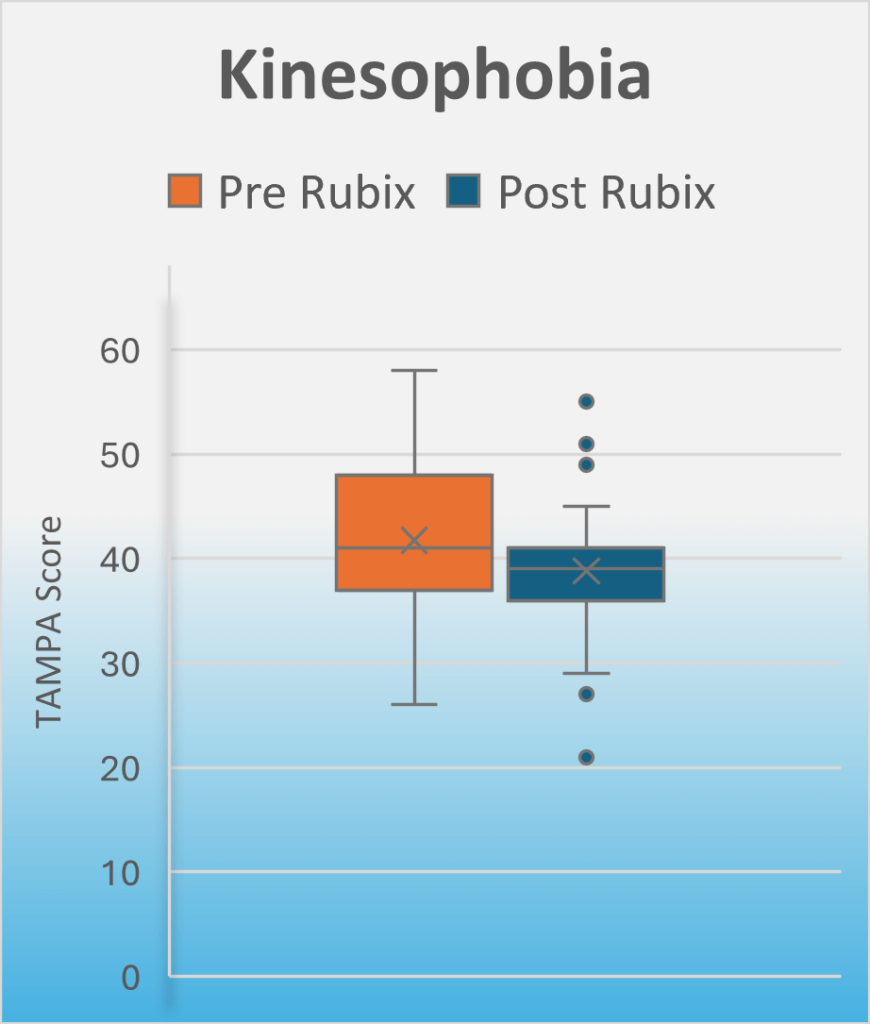
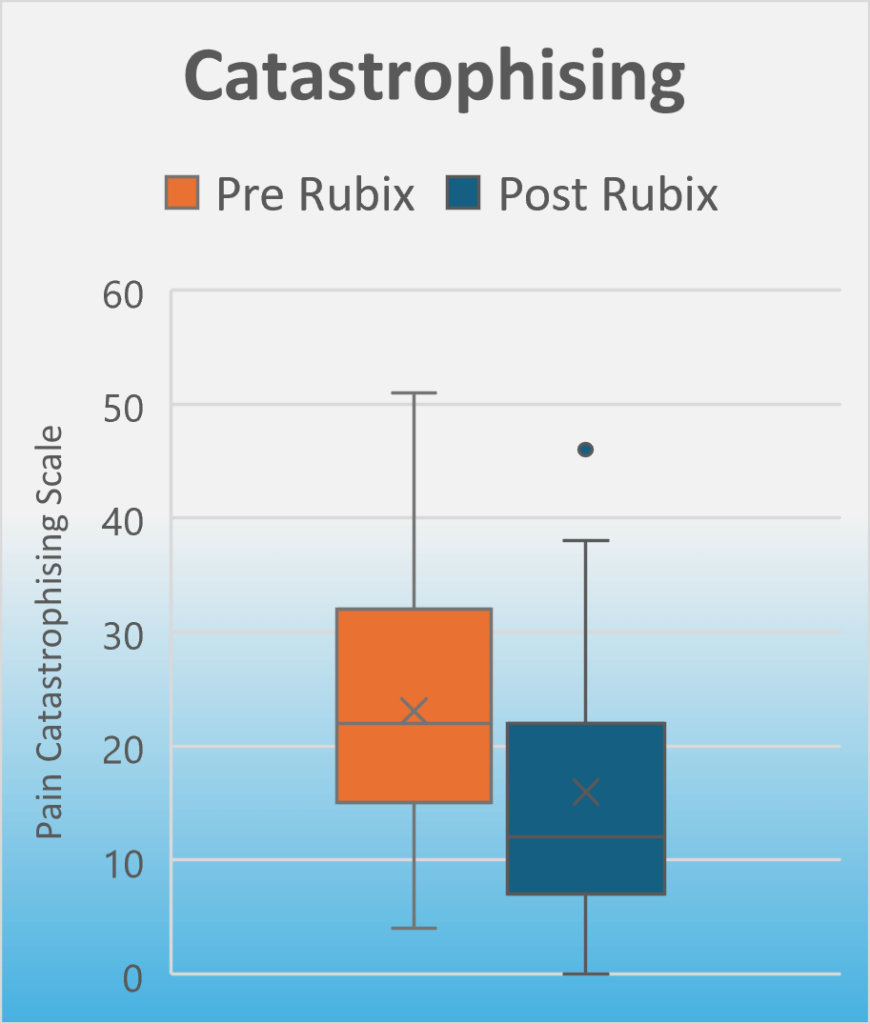
Catastrophic thinking and fear of movement were reduced.
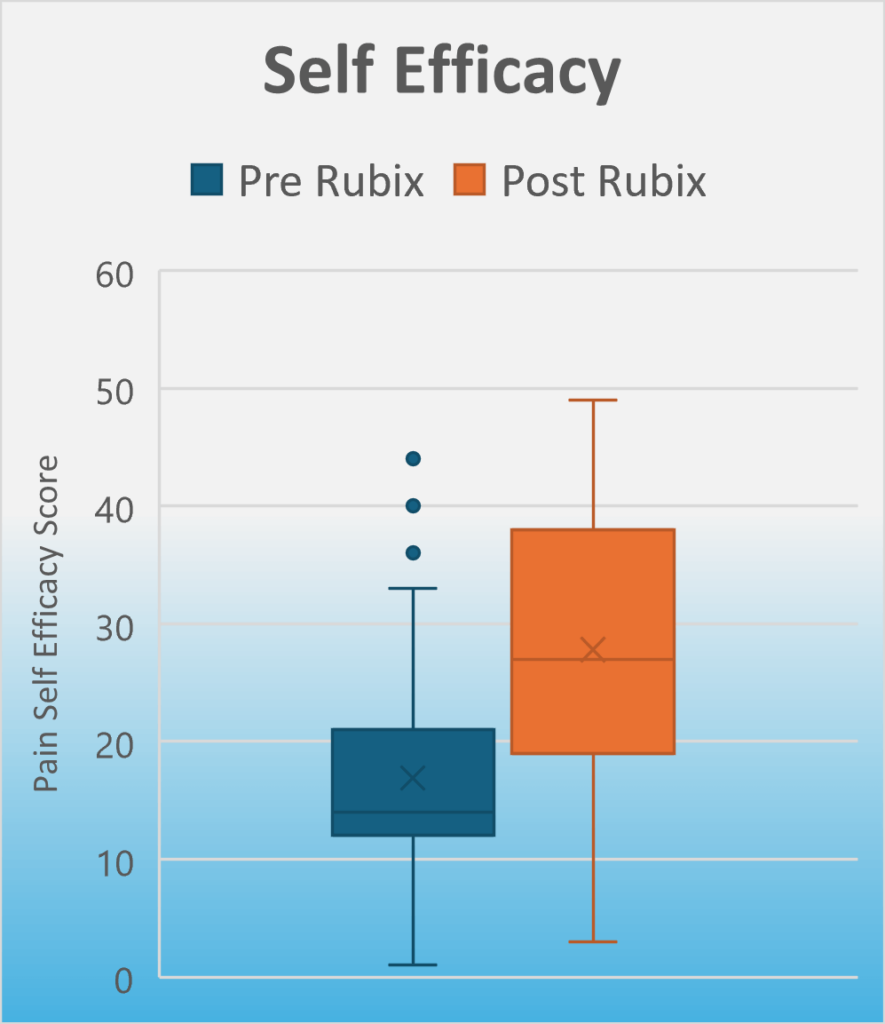
Self-efficacy and confidence in managing pain were improved.
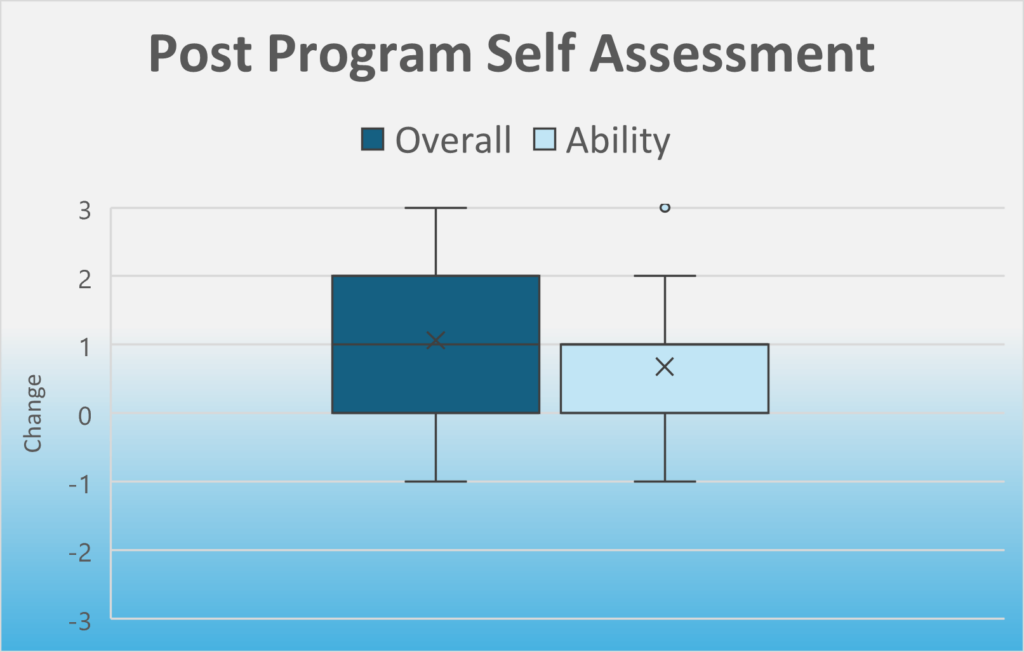
Overall Self-Management Improvement
Self-management skills and confidence in handling persistent pain increased.
High Attendance and Participant Satisfaction
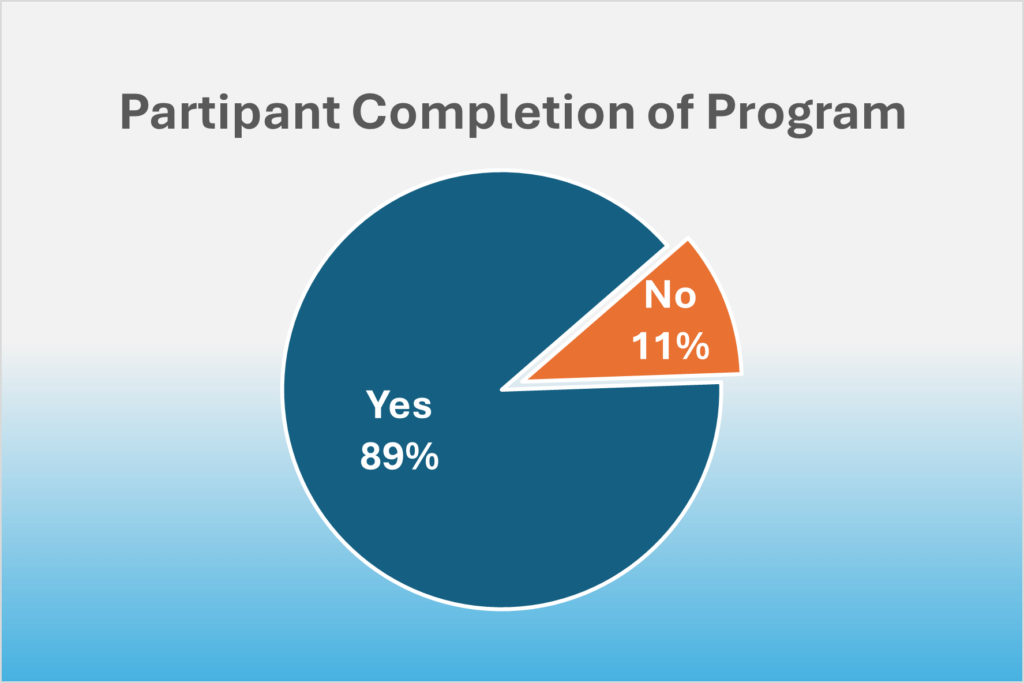
89% of participants completed the program.
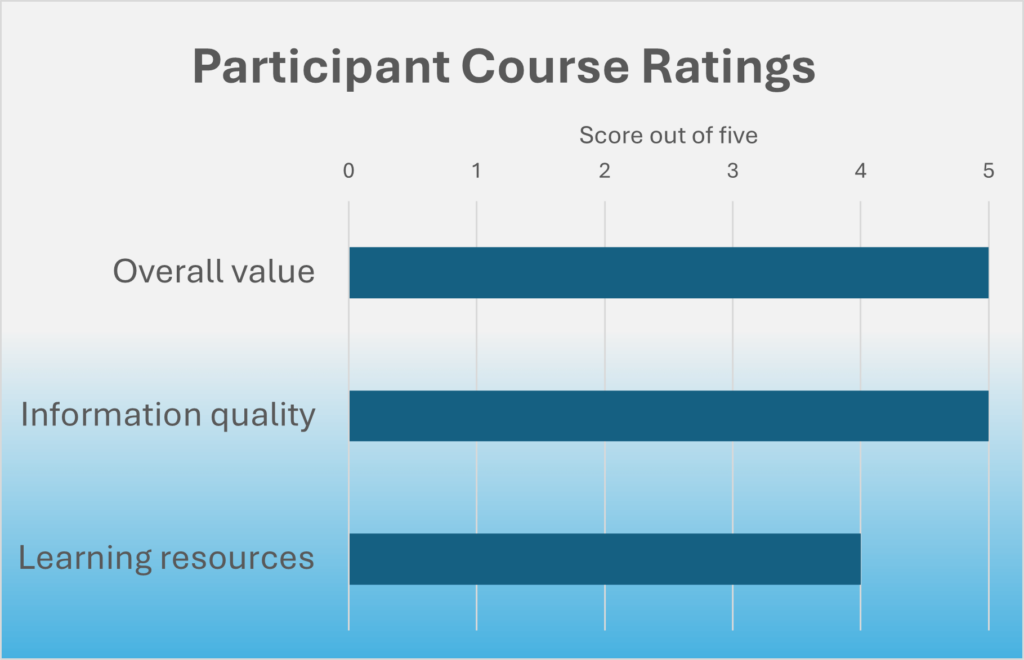
Participant ratings showed high overall value, quality of information, and usefulness of learning resources.
Summary
The Pain Self-Management Program enabled participants to reduce medication reliance, improve physical and mental health, increase engagement in daily activities, and lessen healthcare dependence.
” Participants reported reduced reliance on opioids and improved confidence in managing their pain independently. “